

The renewable energy sector comes with a wide array of unique workplace risks. Solar sites, land-based wind farms, and offshore wind farms provide customers with unlimited clean energy. People rely on your team to keep the lights on, quite literally.
Can your team rely on your company’s safety standards for top-rated workplace safety? GRCI’s HSE’s safety management, compliance, and risk analysis consultants can renew your confidence that your worksites ensure worker safety and regulatory compliance.

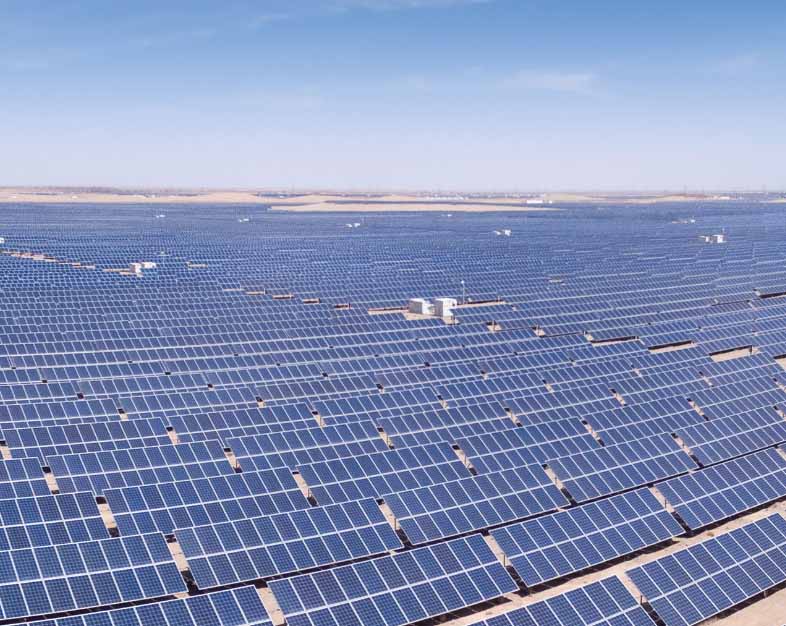
We specialise in safety management and auditing for the renewables industry, including solar farms. We understand that your team is your strongest asset. Our goal is to protect that asset by reducing dangerous hazards.
Our team of safety advisors provide on-site inspections of solar farms, solar sites, and energy storage facilities.
During our audits, we identify common, yet often overlooked, hazards in the solar industry along with OSHA compliance. From there, we assist solar industry leaders to improve site conditions for long-term risk reduction and expansion.
Our HSE team of certified safety professionals troubleshoot the unique risks, including:
We provide top-rated Wind Farm safety management and consulting of offshore wind farms, land-based turbine farms, and energy storage facilities.
We work with wind turbine contractors, wind energy manufacturers, and wind farm field staff.
When it comes to keeping your solar farm operating, you rely on your staff and equipment. Our team performs in-depth assessments to safeguard your top asset: your team. We work alongside your managers to improve safety conditions based on OHSA U.K regulations and other regulatory agencies
Our team will identify potential wind farm and other site risks, including:
We understand that your renewable energy company is only as strong as those that keep it running.
We are committing to keeping your team safe, informed, and confident in their working environment and conditions.
Our health and safety consultation services for the Renewable Energy Sector includes:

Offshore wind farms are gaining popularity as a sustainable source of energy.
However, it’s important to recognise that working in this environment can be dangerous. Workers face multiple risks, including accidents caused by equipment malfunctions, unpredictable weather conditions, and exposure to hazardous chemicals. Communication barriers and fire risks are also potential hazards.
It’s important to prioritise safety and ensure that proper precautions are taken to protect offshore wind farm workers.
When it comes to staffing the Health, Safety, and Environment (HSE) department in an offshore wind farm, it’s crucial to consider the size and complexity of the project. A larger wind farm may require staffing with a strong team consisting of several dozen or even hundreds of professionals. These professionals may include environmental engineers, safety inspectors, health and safety officers, and emergency response coordinators.
On the other hand, a smaller wind farm may require only a few specialists with expertise in specific areas.
Regardless of the size of the wind farm, it’s vital to ensure that the HSE department is adequately staffed to guarantee the safety of personnel and the environment.
The answer depends on the size and complexity of the project. A larger wind farm may require a more extensive HSE department with several dozen or even hundreds of professionals. Conversely, a smaller wind farm may need only a few specialists with specific expertise.
In any case, adequate staffing of the HSE department is critical to ensure the safety of personnel and the environment. It’s essential to consider the size and complexity of the project when staffing the HSE department for offshore wind farm operations.
Offshore wind farms are essential to meeting our energy needs, but they require specialised training to ensure the safety of personnel. The HSE department plays a critical role in providing comprehensive training to new staff.
This includes safety induction training, technical training on equipment uses and maintenance, and emergency response and environmental awareness training. Workers are also trained on working at height and using personal protective equipment (PPE) to prevent falls and other accidents.
Thanks to the HSE department’s efforts, offshore wind farm operations remain safe and secure.